
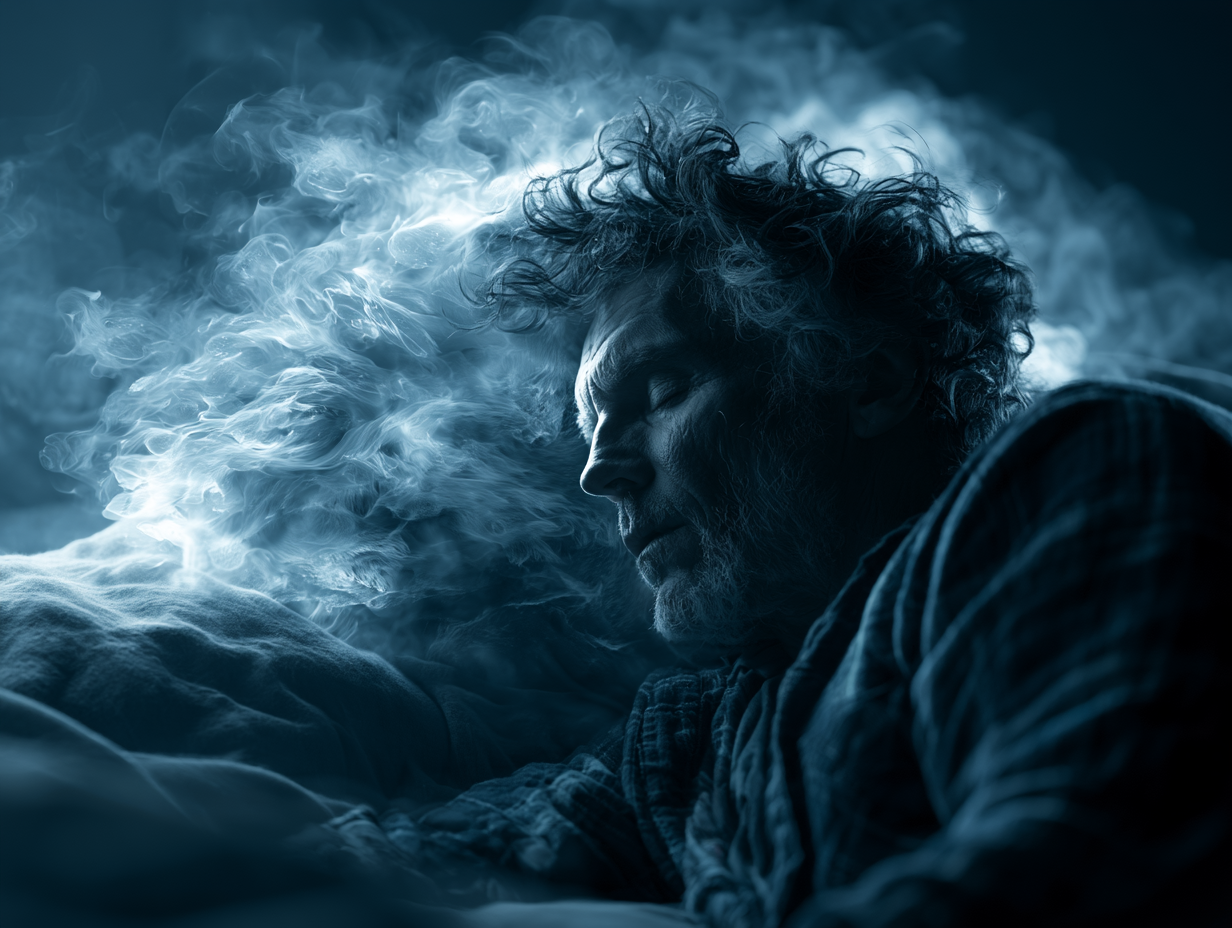
Almost every stable, intelligent, creative system — biological, physical, computational — depends critically on selective erasure, not on accumulation.
Thesis
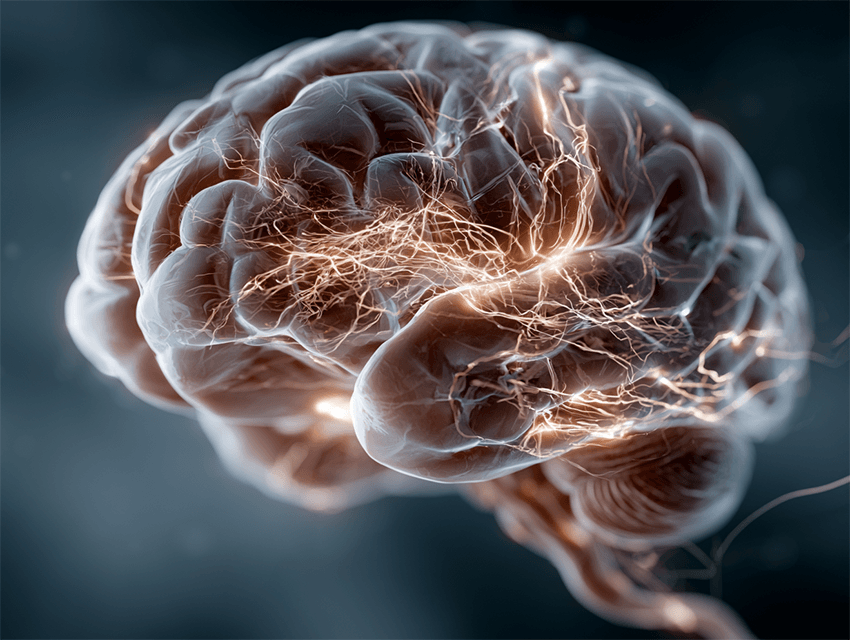
In neuroscience: Sleep isn’t primarily for consolidating memories. The leading hypothesis (synaptic homeostasis) suggests the brain’s core job at night is pruning — aggressively weakening connections formed during the day. Creativity and insight emerge from what gets deleted, not what’s kept. People who cannot forget (hyperthymesia) are often paralyzed by the weight of total recall, not liberated by it.
In evolution: The genome doesn’t grow smarter by adding. Most evolutionary innovation comes from losing genes — simplification, deletion, and repurposing of broken things. Humans lost a functional version of the GULO gene (vitamin C synthesis) millions of years ago. That “error” is now load-bearing in our biology.
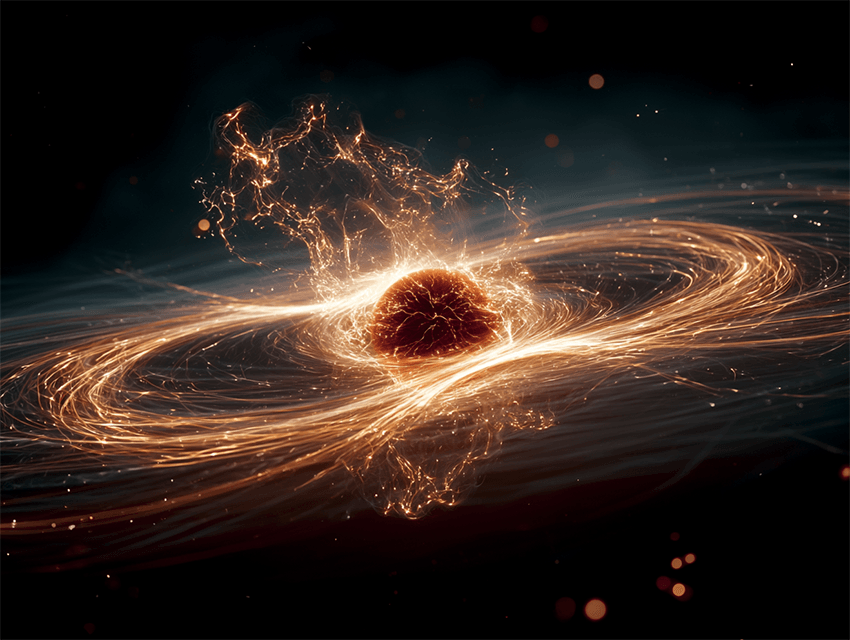
In physics: The second law of thermodynamics is often framed as decay. But Rolf Landauer showed that erasing one bit of information has a minimum thermodynamic cost. Forgetting is literally where entropy lives. The universe’s arrow of time is an arrow of erasure.
In culture: The Renaissance didn’t emerge from Rome remembering classical knowledge — it emerged from centuries of selective loss that forced reinterpretation of fragments. The gaps created new meaning.

…humans culturally worship accumulation — more data, more memory, more knowledge, more history. But across virtually every domain, the intelligence is in what gets thrown away.
